
Sliding Glass Door Defects
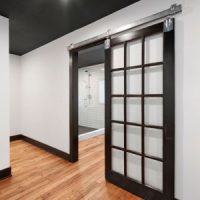
Sliding glass doors are popular in modern homes because they provide natural light and easy access to outdoor spaces. However, one downside is that they tend to leak.
Leaking sliding glass doors can result from something simple, like dirt buildup or improper installation. In some cases, though, these doors may develop defects in their design, manufacturing, or installation. This can lead to financial issues caused by safety hazards and property damage. Here is a look at some possible defects in sliding glass doors.
Defective Glass
One of the most serious defects involves the glass itself. Tempered glass is designed to shatter into small pieces rather than large, sharp shards. However, manufacturing flaws can cause glass panels to break unexpectedly and without warning. In some cases, homeowners have reported sliding glass doors “exploding” even when no one was touching them.
Potential causes include:
- Manufacturing defects in tempered glass.
- Microscopic cracks or imperfections.
- Improper heat treatment during production.
- Damage sustained during shipping or installation.
Faulty Rollers and Tracks
Sliding doors rely on rollers and tracks to open and close smoothly. Defects in these components can lead to:
- Doors that stick or jam.
- Difficulty opening or closing.
- Excessive wear and tear.
- Doors coming off their tracks.
A malfunctioning sliding door can become a safety risk, especially during emergencies when occupants need a quick exit.
Defective Locks and Latches
Poorly designed or manufactured locking mechanisms can leave homes vulnerable to break-ins. Common issues include:
- Locks that fail to engage properly.
- Latches that break under normal use.
- Misaligned locking systems.
- Hardware corrosion.
These defects can compromise both security and occupant safety.
Water Intrusion Problems
Improperly designed or manufactured sliding doors may allow water to enter a home during rainstorms.
Consequences can include:
- Damage to flooring and drywall.
- Mold and mildew growth.
- Wood rot.
- Structural deterioration.
Water intrusion issues are often linked to defective seals, drainage systems, or installation errors.
Frame Defects
The door frame itself may contain defects such as:
- Warping
- Cracking
- Corrosion
- Poor welds or joints
Frame defects can affect the door’s operation and may eventually require complete replacement.
Installation Defects
Even a properly manufactured sliding glass door can fail if it is installed incorrectly. Common installation problems include:
- Improper leveling.
- Inadequate flashing.
- Poor sealing.
- Incorrect anchoring
Potential Issues
Defective sliding glass doors can lead to:
- Lacerations from shattered glass.
- Falls caused by malfunctioning doors.
- Finger and hand injuries.
- Property damage from water intrusion.
- Security-related losses following break-ins.
Contact Us Today
Defects can occur in many ways. Sliding glass doors can be defective if they are not installed properly or if there are design deficiencies.
If you are a contractor dealing with defects on a construction project, get the help you need from a Florida defective construction claim lawyer from Linkhorst Law Firm. We use our comprehensive knowledge of construction defect law to obtain a fair resolution that covers the full scope of our client’s losses. Schedule a consultation with our office today by filling out the online form or calling 561-626-8880.
Source:
angi.com/articles/water-coming-under-sliding-glass-patio-door-rotting-hardwood-floor.htm
