

How Mold is Linked to Construction Defects
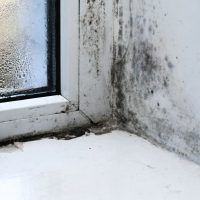
Many homebuyers associate mold with older properties, but new homes can also develop serious mold problems. In some cases, the problem stems from construction defects or mistakes made during the building process. Even seemingly minor defects can allow moisture to enter a home or become trapped in areas where it can promote mold growth.
Modern homes are often designed to be energy-efficient and tightly sealed. While these features can improve energy performance, they can also create problems when components are improperly installed or moisture is not adequately controlled. Water trapped inside walls, attics, basements or HVAC systems can create an environment where mold can grow.
Several construction defects can contribute to moisture intrusion and mold growth, including:
- Poor site drainage: Improper grading can cause rainwater to collect around a home’s foundation rather than drain away from the structure. Over time, this moisture can seep into the foundation or lower levels of the home and contribute to mold growth.
- Inadequate waterproofing: Defective or missing waterproofing materials can allow water to enter through foundations, windows, doors and other vulnerable areas. Moisture that becomes trapped behind walls may remain undetected until mold has already developed.
- Roofing problems: Improperly installed flashing, damaged roofing materials or inadequate sealing can allow rainwater to penetrate the roof. Leaks may spread into attics, ceilings and walls, creating conditions conducive to mold growth.
One of the biggest problems with mold caused by construction defects is that the source may not be immediately visible. A homeowner may notice a musty odor, discoloration or other signs of mold without realizing that a hidden defect is allowing moisture to enter the property.
Simply removing visible mold may not solve the problem. If the underlying source of moisture remains, mold can return.
Who is Liable?
Determining liability can be complicated because several parties may have contributed to the defect. Depending on the circumstances, potentially responsible parties may include:
- General contractors
- Subcontractors
- Homebuilders
- Architects
- Engineers
- Roofing contractors
- Plumbers
- HVAC contractors
- Waterproofing contractors
- Manufacturers of defective building materials
Property owners who suspect that mold is related to a construction defect should document the problem as soon as possible. Photographs and videos can help establish the location and extent of the damage. Keep records of leaks, water intrusion, repairs, inspections, remediation efforts and communications with contractors or builders.
Because construction claims are subject to deadlines that vary by state and circumstances, property owners should consider consulting a construction attorney promptly after discovering significant mold or water intrusion.
Contact Us Today
Mold is an issue that can be found in older and newer homes alike. It can signal defects and other major issues in a home, and this can be a costly issue to remedy.
Unfortunately, construction projects often encounter unforeseen challenges that can lead to construction defects. Whether you are a builder or a homeowner, a Florida defective construction claim lawyer from Linkhorst Law Firm can assist you with your case as it applies to Florida law. Call 561-626-8880 or fill out the online form to schedule a consultation with our office.
Source:
moldsci.com/blog/posts/avoiding-a-moldy-mess-how-construction-defects-increase-mold-risk

